Education
Graduated from the School of Philology at Aristotle University of Thessaloniki
01
They have already spent a good deal of time thinking and analysing what is happening inside them.
In fact, it is not uncommon for them to be able to describe it to me with remarkable precision. Which pattern keeps repeating, what triggers it, how it shows up, what the consequences are.
What seems to be missing is not, by any measure, the effort or the desire for change.
It is the clarity about how all of it connects.
02
Sessions have a specific structure and agenda. We do not move randomly from topic to topic and we do not stay only at the surface-level description of experiences and feelings.
What we do is slow things down and, starting from a situation or event that is concerning you, examine carefully what happened at a psychological level.
In other words:
what you thought,
what feeling you felt,
and how you acted next.
As these become clearer and clearer, we begin to understand:
how these patterns formed,
how they are maintained in the present,
and why they keep repeating.
As sessions progress, this work evolves to an ever greater depth.
Over time you become able to observe these patterns in real time and intervene actively, even in situations that previously troubled you without your having much sense of why.
The work has shifted from theoretical understanding to real change.
03
Most people come to me expecting that we will fix things they can already see and, to a degree, already understand.
What tends to change through our work together is the understanding of the hidden mechanisms that unify and ultimately shape your reactions, in ways you could not have imagined until then.
This change does not happen overnight. It is the result of systematic work and takes time to consolidate.
As that understanding becomes more stable, it can gradually change how you relate to your thoughts, feelings, and decisions.
It is easy to spend a long time trying to change reactions without understanding what keeps producing them.
Our work aims to make understanding part of the change, rather than a substitute for it.
04
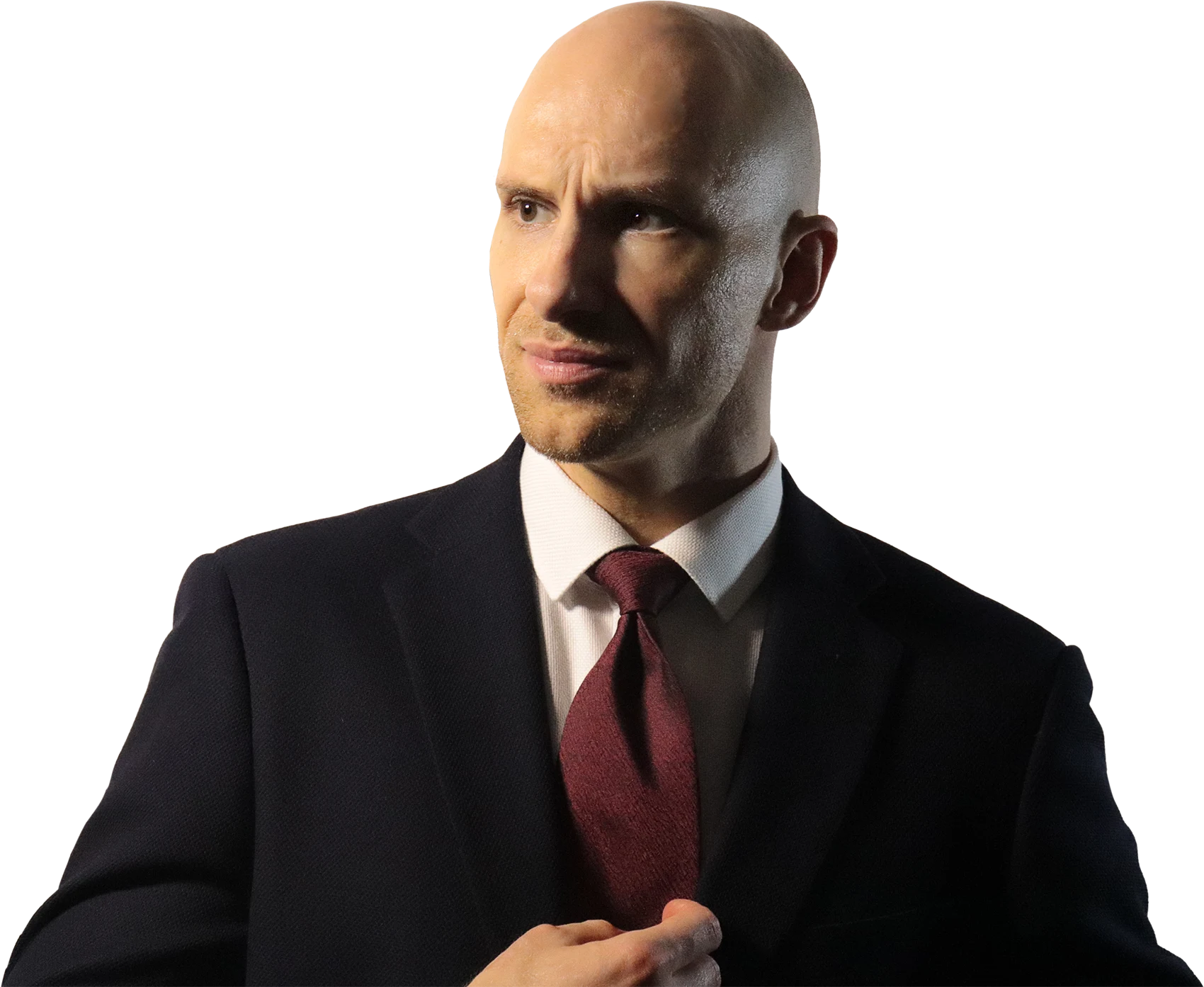
I am a licensed psychologist, graduate of the Psychology department of the Aristotle University of Thessaloniki. I have two years of training in Cognitive Behavioural Therapy (CBT) and extensive clinical work in Schema Therapy. I am also a regular member of the Hellenic Psychological Society.
My work focuses primarily on issues of anxiety, over-analysis, burnout, emotional reactions, addictive behaviours, and recurring problems in relationships.
Alongside clinical practice, I maintain systematic continuing education through specialist training seminars and I occasionally give talks at educational institutions.
Training and professional background
Education
Graduated from the School of Philology at Aristotle University of Thessaloniki
New academic path
Entered the School of Psychology at Aristotle University of Thessaloniki through qualifying examinations
Psychology studies
Graduated from the School of Psychology at Aristotle University of Thessaloniki
Professional licence
Obtained a licence to practise as a psychologist
Public service
Worked as a psychologist at the Community Centre of the Municipality of Kassandra
Private practice
Established an independent practice as a psychologist
Online psychotherapy
Began collaborating with the online psychotherapy platform myTherapist
Clinical training
Earned a diploma in Cognitive Behavioural Psychotherapy from the Centre for Applied Counselling and Psychotherapy
Professional standing
Became a regular member of the Association of Greek Psychologists
External collaborations
Designed and delivered experiential workshops in collaboration with Paideia Expert Training
Continuing professional development
Completed 30+ hours of clinical specialisation seminars
Therapeutic work, as I understand it, is not about controlling symptoms. It is about understanding the mechanism that produces them.
Behind a specific anxiety, a reaction, a choice that repeats itself despite the opposite intention, there is always an internal logic. It is not something random and it is not an expression of weakness. It formed at some point, under specific conditions, it serves something even now, and it will keep repeating until that logic becomes visible.
I believe the most meaningful way to do psychotherapy is to focus on this deeper structure, while not abandoning the tools that work at the level of everyday thought and behaviour. Understanding alone does not bring change. Technique alone does not bring lasting change. Both are needed, in the right measure.
This means the work does not resemble classical psychotherapy where the client talks continuously and the therapist listens in silence. Active intervention is part of the method. When I recognise a pattern that is not yet visible to you, I bring it forward. When a clinical tool is needed for the work to advance, I introduce it. Your work is to bring the material; mine is to interpret it together with you.
In clinical work, honesty about where we stand is perhaps more difficult than the process of change itself. Everyone wants to improve, but not everyone is ready to look at the situation today with objectivity. That is why the work always begins with validated clinical assessment instruments. Structured measurement is the way to know whether what we are doing is actually working or whether we are simply chatting and philosophising. Without it, psychotherapy ends up as guesswork dressed up as insight.
In practice this means: we work in the present with specific cognitive-behavioural tools, but always informed by an understanding of the patterns operating beneath the surface. These are not two different approaches. They are one unified framework.
05










If the approach you have just read fits what you are looking for,
the next step is one move away.